

High-speed train travel in Italy entered a new phase in 2026. Trenitalia dynamic pricing is now officially in place on Frecce services, changing how ticket prices are calculated on routes departing from Milan and other major cities. The new system was explained in an article published by Corriere della Sera and represents a clear shift from the previous fare structure.
Instead of relying mainly on fixed promotional fares, ticket prices now respond directly to demand. In practical terms, booking early and choosing less popular travel times increases the chances of paying less, while peak routes and last-minute bookings tend to cost more.
Table of Contents
Why dynamic pricing matters for Milan travelers
Milan is Italy’s busiest rail hub, with frequent high-speed connections to Rome, Florence, Venice, Turin, Bologna, and Naples. Under the new pricing model, demand plays a central role in shaping ticket costs, especially on popular routes and during peak travel hours.
Read also: High-Speed Train Tickets in Italy: Where to Buy and How to Save

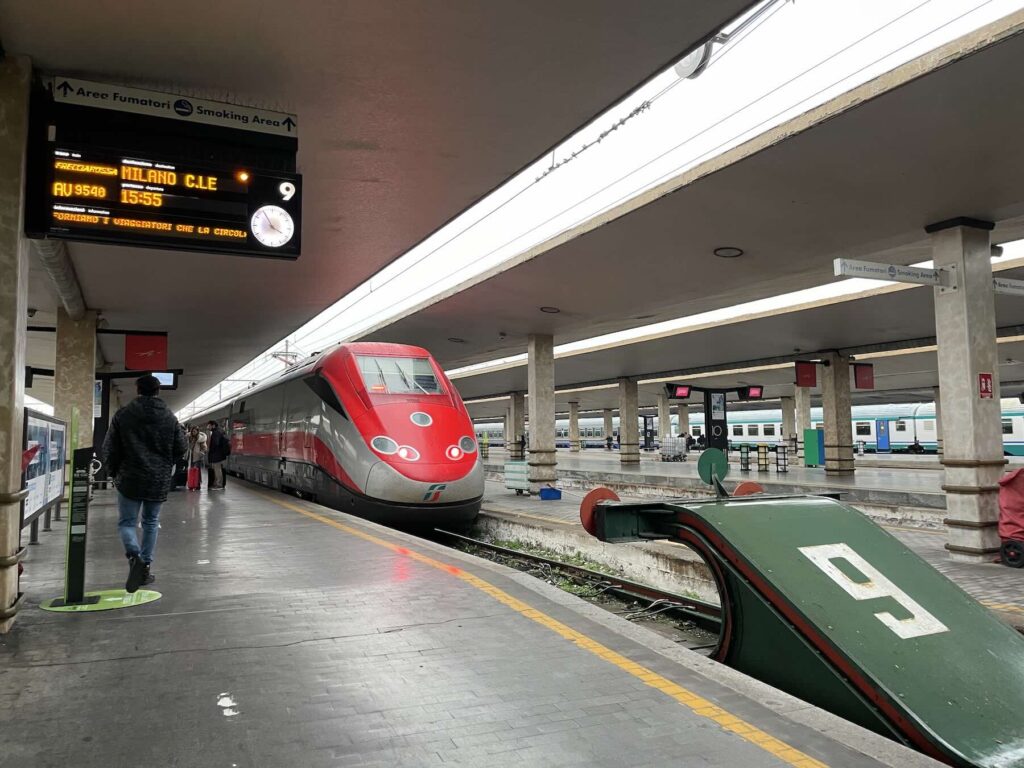
For travelers leaving from Milan, this means that flexibility has become more valuable. Midweek departures, early-morning trains, and off-peak time slots are now more likely to offer lower fares than weekend or evening services.
How Trenitalia ticket pricing worked before 2026
Before the introduction of dynamic pricing, ticket prices on Frecce trains were linked to predefined fare categories such as Super Economy, Economy, and Base. Each train had a limited number of discounted seats, and once those sold out, prices automatically increased.
While prices did vary, they did not actively adjust based on expected demand for specific dates and times. The 2026 system introduces a more responsive pricing mechanism, similar to what travelers already experience when booking flights.
Looking for ideas on what to do in Italy? Download the GetYourGuide app and get 5% off your first booking worldwide using the promo code BRASILNAITALIANET5 (valid for new customers – learn how it works here).
Which trains are affected by the new pricing system
Dynamic pricing applies only to Trenitalia’s high-speed services operating on a commercial basis. Frecciarossa and other Frecce connections fall under the new model, particularly on long-distance routes with fluctuating demand.
Regional and Intercity trains are not affected, as their fares remain regulated. This distinction ensures price stability for local and commuter travel while allowing flexibility on high-speed routes.
Read also: How to Get from Milan Malpensa Airport to Florence
Comparing Trenitalia and Italo is now essential
With ticket prices more closely tied to demand, comparing different operators has become a key step when booking. Italo continues to operate on many of the same high-speed routes from Milan and often follows a different pricing pattern.
Checking prices on both Trenitalia and Italo before purchasing tickets can help travelers find better deals, especially for popular routes or last-minute departures.
Booking strategies for high-speed trains in 2026
For travelers in Italy, planning ahead is now one of the most effective ways to save on high-speed train tickets. Booking early, avoiding peak travel times when possible, and comparing operators can make a noticeable difference in final costs.
For anyone traveling to or from Milan in 2026, understanding how Trenitalia dynamic pricing works is essential to navigating Italy’s high-speed rail network efficiently and cost-effectively.
Enjoyed the tip? When you book or buy through our links, you support Milan.Tips at no extra cost to you.
FIND YOUR NEXT STAY
Book your stay in Italy or anywhere in the world with our partner Booking.com!
You'll find the best deals and support our website. Thank you!
BOOK TRANSFERS AND TOURS ONLINE
Book transfers, tours, and excursions in Italy and around the world with our partner Get Your Guide.


